


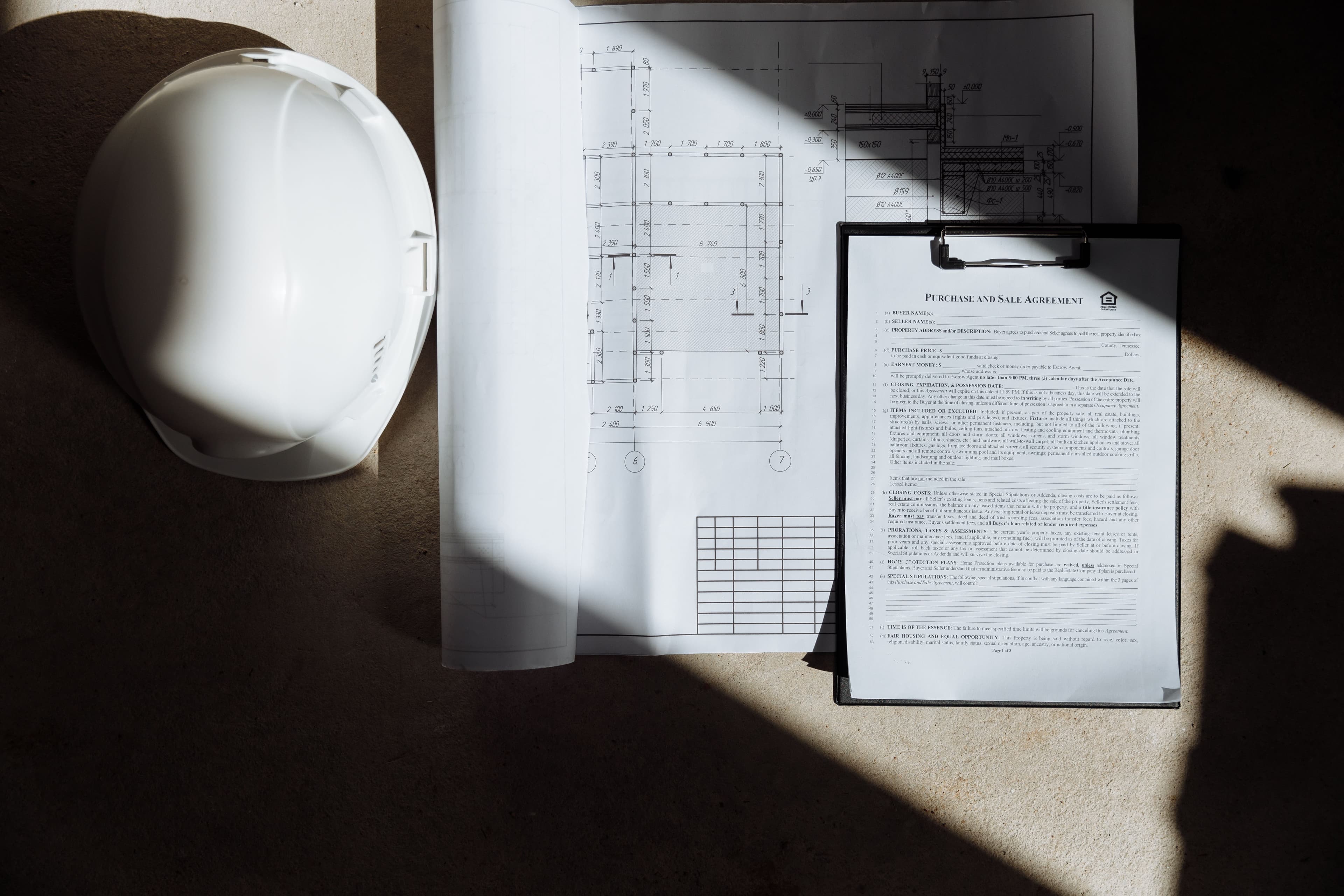
Creating technical documentation takes a lot of time and is error-prone. AI can generate consistent drafts of manuals, reports and translations from existing data such as specifications, parameters and templates, which the expert reviews and approves. This makes documentation faster, more consistent and multilingual, without handing over technical responsibility.
Why is creating technical documentation so time-consuming?
Operating manuals, maintenance plans, test reports and datasheets must be complete, correct and consistent, often in several languages and according to applicable standards. In practice they are produced under time pressure at the end of the project, manually copied together from old templates, and therefore inconsistent and quickly outdated. This ties up experienced specialists with routine work that has little to do with the actual engineering.
How does AI create technical documentation?
AI generates drafts from what already exists: specifications, technical parameters, bills of materials, earlier documents and templates. A language model turns these into structured text in your terminology and template format. The expert reviews, corrects and approves. Instead of writing every paragraph themselves, they edit a finished draft. This saves a large share of the time without giving up technical control.
Which documents can AI create?
- Operating and user manuals
- Maintenance and service instructions
- Inspection, measurement and test reports
- Technical datasheets and specifications
- Change and revision documentation
- Translations into additional languages
Is technical quality and standards compliance maintained?
Yes, because AI works as assistance here, not as an author with final responsibility. The expert reviews and approves (human-in-the-loop). In addition, AI can help ensure consistency and terminology and check drafts against templates and checklists. Compliance with standards and legal requirements, for example for machine documentation, remains the responsibility of the accountable human. AI only speeds up the path there.
How do I introduce AI-assisted documentation creation?
- Choose a high-volume document type, for example operating manuals.
- Provide templates, terminology and example documents.
- Connect data sources (specifications, parameters, legacy documents).
- Build a prototype and test it with technical writers.
- Define the approval process: who reviews, who approves?
- Expand step by step to further document types and languages.
Creating is only one half. Equally important is quickly finding knowledge in existing technical documents. That is exactly what we built KoAssist for, an enterprise RAG assistant that delivers source-based answers from standards, specifications and project documents. Creating and finding together cover the full lifecycle of technical documentation.
Want to create technical documentation faster and more consistently? We build AI solutions that deliver drafts while your experts keep control.
Book a free intro callConclusion
The greatest potential of AI in technical documentation lies not in looking things up, but in creating them. From existing data, consistent multilingual drafts are produced in a short time, which specialists only need to review. This turns an unloved obligation at the end of the project into a fast, repeatable process.
FAQ
Can AI create technical documentation automatically?
Yes. AI generates structured drafts of manuals, reports and translations from existing data and templates. These are reviewed and approved by the expert before they are used.
Does AI replace the technical writer?
No. AI takes over the first draft and routine work; review, technical correctness and approval stay with humans. The writer becomes faster, not replaced.
How does AI ensure consistent terminology?
Through your templates, terminology lists and example documents. This produces text with consistent language and structure, even across many documents and authors.
Can AI create documentation in multiple languages?
Yes. From one source version, consistent translations can be generated that a specialist translator or expert reviews. This significantly speeds up multilingual documentation.
Who is liable for the finished documentation?
Responsibility stays with the approving company or expert. AI is a tool for creation; review and approval ensure correctness and standards compliance.